Saint Laurent Bags Official Store YSL Wallet on Chain

The Row Discount Period: What Shoppers Should Know Before Checking Out

The Row rarely offers reductions, and on the occasions it does, the drop happens under the radar. You won’t find no attention-grabbing banner, no countdown clock, no mass email announcing “50% off.” Much like its design sensibility, the house’s stance on price cuts stays understated, intentional, and easy to miss if you are paying attention. Anyone following a row sale in 2026 should above all understand that patience and timing carry more weight than luck.

Established by Mary-Kate and Ashley Olsen, The Row built its renown on minimalist tailoring, subdued color ranges, and leather accessories that are engineered rather than merely stitched together. Because of that reputation, discount windows close quickly. Inventory is intentionally scarce — The Row produces in smaller runs than most luxury houses — so once a style is discounted, it may disappear within days, occasionally within hours, most notably in sought-after sizes and neutral tones like black, ecru, and tan.

When Prices Actually Drop for The Row

The Row usually restricts discounting to two periods — a mid-year price adjustment around June-July, and a wider end-of-season markdown in December-January — unlike mass-market high-end names that hold seasonal promotions four or five times a year. While they shift a little year to year according to inventory levels, such dates aren’t fixed; buyers who have observed the label across several seasons still report this cadence holding fairly consistently into 2026.

Retailers carrying The Row, ysl straw tote including multi-brand luxury sites, sometimes run their own promotional cycles independent of the brand’s direct site. This means a row sale on a third-party retailer might appear before or after The Row’s own markdown period. Checking multiple authorized stockists rather than relying on a single source increases the odds of catching a discount on the exact piece you want.

Full-retail purists also highlight that certain items rarely see a price cut. The most sought-after signature bags — above all anything from the Margaux family — generally resist markdowns even during official sale periods, because need for them constantly outpaces the scarce availability. In contrast to the label’s signature bag styles, blazers and outerwear see more consistent discounting.

The Row’s Bag Lineup Breakdown: The Pieces That Genuinely Deserve Your Money

Any row bags overview has to start with construction. The Row’s leather goods use vegetable-tanned and semi-aniline leathers sourced primarily from Italian tanneries, finished with hand-applied edge paint rather than machine-stitched binding. That detail alone explains part of the price point — hand-finishing takes longer and costs more than automated production, and it shows in how the edges age over years of use rather than fraying within months.

In the secondhand market and style edits, three names surface repeatedly within top row bags: the Margaux, the Sofia, and the Everyday Tote. Every piece serves a separate need, and grasping those distinctions matters more than chasing whatever style happens to be trending on social media that week.

  • This style is offered in several sizes (commonly referenced as Margaux 12, 15, and 17) and is firm enough to maintain its silhouette on a shelf, making it a go-to option for those who want a bag that looks intentional even partially empty.
  • Its tote bag offerings, including the Sideby and N/S Park styles, trend softer and slouchier, designed for everyday use rather than display, with a looser build and more relaxed silhouettes.
  • Smaller crossbody and clutch styles from the brand rotate more frequently and are often the pieces that do appear in markdown periods, since they carry lower production costs and higher turnover.

Why shoppers regard The Row as distinct from other luxury handbag brands has much to do with secondary-market worth. Because production runs are small and demand remains steady, well-maintained pieces — especially the Margaux — often retain 60-75% of retail value on the secondary market, according to consignment platforms that track luxury handbag pricing. That retention rate is closer to what you’d expect from Hermès or Chanel than from most contemporary luxury labels.

Where to Buy The Row Margaux Bag Without Overpaying

Where to buy The Row Margaux bag is a question that comes up constantly, and frankly, it depends on your priorities. Offering the most reliable authentication and the strongest odds at pre-order access for new colorways, The Row’s own site and flagship boutiques almost never discount the Margaux specifically.

Those authorized multi-brand retailers that carry a curated selection of The Row’s collection alongside other contemporary and luxury labels occasionally get limited Margaux stock before a broader release. These retailers occasionally include the Margaux in their own promotional events even when The Row’s direct channels are holding firm on price, which is where patient shoppers sometimes find genuine savings of 10-20%.

A third route is consignment and resale platforms specializing in authenticated luxury goods, and they deserve careful consideration. A well-cared-for Margaux in a classic colorway can appear on resale marketplaces for 20-30% below original retail, particularly if it’s a size or color that fell out of favor. The tradeoff is longer wait times to find the right piece and the need to verify authentication credentials before purchasing.

Buyers should be wary of unusually steep discounts from unfamiliar sellers. A Margaux listed at 50% off retail from a site with no verifiable authentication process is a red flag, not a bargain. The Row’s limited production numbers make counterfeits a real risk in this price bracket, and the brand does not offer a public authentication service, which puts more responsibility on the buyer to vet the seller.

Examining The Row’s Own Hallmark Handbag Silhouettes

As much of the dialogue concerning row-bag styles is built around picking from design options, a side-by-side breakdown helps clarify what each style is really made to do.

Bag Silhouette Best Suited For Build Sale Frequency
Margaux Well suited to a splurge-worthy pick plus a firm-shaped daily bag Solid, so it keeps its shape with nothing inside Hardly ever marked down, even in sale windows
The Sideby Tote A work bag, suited to hauling a laptop and documents Soft, droops with a light load Occasional, mid-season
Sofia Nighttime or a more compact daytime option Neither fully firm nor fully soft Periodic
N/S Park Tote Great for travel as well as hauling bulky everyday items Unstructured, it expands as it’s loaded up Crops up with some regularity at sale time, more so than most

Because searches for “row sale” often lump every bag shape together, this kind of comparison carries real value—in reality, the odds of a price cut differs widely by silhouette.
Big-format totes and carryalls get discounted more frequently simply because they are made in slightly higher volumes than the Margaux style.

Acquisition Strategy for the 2026 Sale Calendar

For shoppers serious about catching The Row at a reduced price this year, a few practical habits make a measurable difference. Signing up for notifications at multiple authorized retailers rather than just the brand’s own site widens the net considerably, since stock allocation differs between channels.

Following particular SKUs instead of scrolling through in a general way makes a difference too. If a specific Margaux size-color pairing is what you’re after, reviewing that exact listing at regular short intervals when sale windows are expected works better than paging through the broad new-markdowns listing, where availability fluctuates hour to hour during peak periods.

Choices are truly broadened when you’re open on sizing and shade. Since rarer, less mainstream hues move more slowly initially, they’re more likely to appear in a markdown — as opposed to neutral tones like black and tan, which run out fastest even with full price. Better availability and better discounts frequently go to buyers willing to embrace a more unusual shade.

Finally, quality benchmarks count for just as much no less when buying resale as when acquiring something fresh off the shelf. Inspecting the corners, verifying the edge paint’s condition, and looking over the hardware for tarnish ahead of time helps you avoid paying near-retail for a bag that calls for refurbishing. The Row’s leather can age beautifully, but that outcome depends on it having started in good condition.

Season after season, the bigger-picture lesson is straightforward: its reserve around discounting is intentional, and whoever is navigating the row style scene will make wiser decisions when the window opens by treating a row sale as a rare event instead of a expected annual ritual.

Ferragamo Studio Bag Deal Spring Collection

The Gancini Motif: A Hook With a Verifiable Debut

The origin story of a fashion motif is usually fuzzy. Somebody’s grandmother, a saddle fitting, a ship’s rope: the details shift, nobody can pin a year, and the house is usually content to leave it that way. The Gancini is the exception in that it can actually be dated. In 1972 Women’s Wear Daily published a photograph of a Ferragamo bag with a hook-shaped metal closure, and that image is the motif’s first documented appearance, verified through the brand’s own foundation. A hook with a paper trail is unusual in this industry. That is also why the Gancini holds the weight it does across Ferragamo bags today, from an $880 clutch to a python handbag several times that price.

Why 1972 is an uncommon date

Understanding the date means knowing how young the leather goods still were at that point. The house was built on footwear by Salvatore Ferragamo from 1927; bags began only in 1965, when Fiamma Ferragamo started designing them as accessories to the shoes, while the first press article featuring a Ferragamo bag is dated 1969. The hook therefore enters the trade press barely three years after bags became a story worth reporting at all. Timing counts: the motif was not https://salvatorebag.com/ bolted onto an established handbag line to conjure heritage. It turned up while the category was still being invented inside the house — a working closure on a working bag. A motif that begins as a functioning fastening tends to outlive one that begins as an ornament, and this one has.

Gancio or Gancini? Neither one is wrong

Shoppers often ask which spelling is right, and the honest answer is that both belong to the brand. Loosely, gancio is the single hook and gancini is the plural, so the motif or the family. In practice Ferragamo uses the two freely across its own product copy. Current descriptions list two golden Gancio buckles on the Hug XS and an iconic Gancini closure on the Cara — same season, same site. Neither is a typo, and neither signals a different product line. If you are searching a resale platform, try both, because listings inherit whichever word the seller copied off the original tag.

What the hook actually accomplishes on a bag

Three distinct jobs belong to the motif in the collection, and they are worth separating. First it works as a clasp, a piece of cast metal that genuinely opens and closes the bag, which is how it appeared in 1972 and how it appears on the Cara today. Second it serves as applied hardware — a plate, buckle or chain link that carries the visual weight without handling the closure, as on the Hug’s wrap straps. Third it works as pattern, embossed, outlined or woven across leather, canvas and jacquard so the hook becomes a surface rather than a fitting. Those three registers let a single motif to run from an entry-level clutch to the top of the range without repeating itself. It is also why two Gancini bags can look nothing alike and still read as the same family.

Where it appears in the current collection

The most affordable way into the house is the hook, and it is worth putting that plainly. The Double Gancini group covers most first purchases, running from a clutch at $880 through mini shoulder bags at $1,250 to $1,490 and a mini bag at $1,350, up to a top handle XS at $2,500 and crossbodies at $2,400 to $2,900, with one observed as low as $830. Above that sit a Gancini chain mini at $1,850, an outline tote at $1,750 to $1,850, a wallet with chain at $890 and a folded chain clutch at $1,790. The family’s ceiling is a medium Gancini handbag in python with golden hardware, suede lining and a custom key fob at $4,100, listed at 7.2 inches high, 13.3 long and 4.7 wide, with a 21.7-inch strap and an 8.9-inch handle drop. Every one of these is an observed 2026 market price logged on the brand’s own United States site on a single day, not an official price list. The table shows how the motif changes form as the price climbs.

Item Form the motif takes Observed 2026 market price
Double Gancini clutch Cast metal clasp $880
Gancini wallet with chain Chain-link hardware closure $890
Double Gancini mini shoulder Hardware clasp $1,250 to $1,490
Gancini outline tote Outlined motif over the body $1,750 to $1,850
Double Gancini top handle XS Structural clasp $2,500
Gancini handbag, medium, python Golden hardware with suede lining $4,100

The Vara question

One correction needs making here, because it circulates constantly. The Vara is a shoe, not a bag. The low-heeled pump with its grosgrain bow, created in 1978 by Fiamma Ferragamo, has sold more than a million pairs and belongs entirely to the footwear side of the house. It is not a handbag line and never has been, which makes any reference to a Vara handbag collection flatly mistaken. Occasionally the bow reaches leather goods as a borrowed detail, most conspicuously on the Ginny — a Vara-plate bowling bag that appears in resale rather than in the current line-up. Keeping the two straight matters when you shop pre-owned, because a listing that calls the Vara a bag was written by somebody who did not check.

How to look at the hardware

The hook is cast metal, which makes it the part of a Ferragamo bag that people examine most closely. Most finishes are gold-tone, a minority silver-tone, and gold-tone plating is precisely that: plated rather than solid, which makes abrasive cleaners a mistake. Beyond that, it is worth it to be precise about what the brand does and does not publish. Ferragamo issues no public authentication guide, and its only stated guidance is to buy from its own website or from authorised stores and distributors. The points below are community consensus among pre-owned buyers, rather than anything the house has confirmed, and they should be treated as soft signal only. The brand’s nearest official equivalent to an in-person check is its Repair Services, offered for a selection of authentic products at selected boutiques with proof of purchase.

  • The crispness, spacing and spelling of the stamping on the interior leather tag.
  • Weight and casting quality in the Gancini hardware itself.
  • The consistency of the stitching along edges, gussets and straps.
  • How the leather handles against known examples.
  • The white dust bag with its red drawstring.

The hook in the resale market

Gancini pieces behave differently second-hand from the house’s headline silhouette, and the gap is instructive. In September 2026 on one major platform, a medium Gancini turnlock flap was listed at $1,130 to $1,190, a Gancini Margot hobo at $1,020, a medium jacquard Gancini shoulder tote at $935 to $1,045 and a small Gancini crossbody at $690. A vintage Gancini flap shoulder bag in medium was listed at $560, close to the archive floor. The outlier was a large Trifolio tote in embossed Gancini at $2,040 — the top of the archive band, in a style no longer in the United States line-up. The hook, then, occupies a broad and steady band of roughly $560 to $1,200 instead of a single spike. Gancini pieces are stocked in brand-operated stores inside outlet villages too, but no official online outlet exists at all, which means any site claiming to be one is not the brand.

Why a recorded birthday matters

It would be easy to treat the 1972 photograph as trivia, and it is not. Because the first appearance is dated, the motif can be followed rather than merely asserted — unusual enough in fashion to count for something. The hook also predates almost every current Ferragamo bag by decades, which makes a Gancini clasp on a 2026 shoulder bag honestly continuous with the archive rather than a revival of it. For a buyer, that continuity is the practical argument: a motif this embedded is unlikely to be quietly dropped, and pieces carrying it stay legible across seasons. Whether you are browsing a Ferragamo shop, watching for a seasonal Ferragamo sale, or scanning listings that resale platforms still file under Salvatore Ferragamo, the hook is the constant. It is still doing the same job more than fifty years after a photographer pointed a camera at it.

Modern Godspeed Sweater Biker Skull Motif

The Deeper Meaning and Why Followers Care

Ahead of a journey, folks have long used the word godspeed as a blessing, and centuries of weight sit inside those few syllables. If someone offers you that word, it goes beyond a mere goodbye — they’re wishing you favorable circumstances on your path forward. That original meaning still shapes how the word feels today, even when it shows up on a hoodie instead of inside a parting note.

A clothing label choosing this word is no accidental branding move. It signals intention, momentum, and a kind of quiet resilience. Those who put on Godspeed items are doing more than selecting a favorite graphic; they are aligning themselves with an idea that has survived generations of linguistic change. Few contemporary clothing brands manage to tap into something like that, and it is worth unpacking why the connection feels so powerful in 2026.

What Does Godspeed Actually Mean?

The literal answer is straightforward: godspeed is an old English phrase meaning “may God grant you a prosperous journey.” It traces back to Middle English, pairing “God” with “speed” in its older sense of “success” or “prosperity,” not velocity. So when people ask what is godspeed, the truthful response is that it was never truly about speed as we now understand it — it concerns a wish for a favorable outcome.

This phrase was heard by sailors, soldiers, and travelers before setting out on voyages with unclear futures. It was a benediction given at just the time someone needed encouragement the most. Such context counts because it explains why the word continues to carry emotional heft centuries later — it was never idle chatter, it was a parting words full of hope.

Contemporary use has mellowed the expression toward something like “good luck,” but the undertone of care remains. People still turn to “godspeed” when the moment feels weightier than a typical farewell. That layered history is exactly why a brand can construct a whole identity on it without the word seeming shallow or merely decorative.

What Godspeed Signifies Within Streetwear

Streetwear culture has consistently pulled from language loaded with meaning — words tied to adversity, aspiration, conviction, or reinvention. The godspeed meaning fits naturally into that lineage because it speaks to forward motion despite uncertainty, which is a godspeed shorts feeling a lot of people relate to daily, not just wanderers departing on ships long ago.

Wearing a godspeed shirt turns into a subtle daily nudge: stay in motion, stay driven, and believe the grind will come good. That is a far more heartfelt message than what typical printed shirts offer, and it explains why fans keep coming back to the brand instead of treating it as a throwaway purchase.

Adding to that, there’s a communal element as well. Recognizing the hoodie on another wearer prompts an silent nod of shared understanding—never about branding for branding’s sake, but about shared conviction in toughness, drive, and a path forward worth the gamble.

  • The phrase originated as a blessing for travelers, not a term referring to speed or urgency.
  • At its heart is about optimism, safekeeping, and moving ahead.
  • Streetwear fans resonate with words that feel hard-won rather than decorative.
  • Putting on the phrase every day strengthens a mindset of persistence.
  • That mutual acknowledgment between fans fosters a sense of belonging around the brand.

Why Fans Connect With Godspeed Clothing

Apparel takes on significance when it puts words to a feeling the wearer already holds but has never voiced. Such is the effect of god speed clothing — it articulates a feeling of persistence that many fans already carry but rarely see printed on fabric.

Fans aren’t merely purchasing a hoodie or a tee; they are buying a phrase that has outlasted hundreds of years of shifting language because it still means something to people dealing with the unknown. This carries more emotional weight than passing trends or celebrity tie-ins, and it generally fosters longer-lasting brand loyalty.

There is also a visual dimension. Godspeed shirts often match the phrase with imagery linked to motion, distance, or transformation — feathers, roads, skylines — because these visuals amplify the same core message as the word itself. The design and the phrase work together, not as disconnected pieces stitched together purely for looks.

Fans also value restraint from a brand that doesn’t spell everything out. Godspeed as a name lets people arrive at their own interpretation, whether that is about conviction, aspiration, sorrow, or merely surviving a tough year. That flexibility is part of why the brand strikes a chord across such a broad spectrum of people in 2026.

Comparing Godspeed Pieces: Shirts vs. Hoodies

When building out a wardrobe rotation, people frequently wonder how to decide between a godspeed shirt and a godspeed hoodie. Weather, style choices, and how it’s worn—solo or layered usually settle the decision.

Feature Godspeed Shirt Godspeed Hoodie
Ideal season Springtime paired with summer Fall and the winter months
How it layers Wearable solo and equally layered under a jacket Wearable solo and equally layered over a shirt
Graphic visibility Strong, even surface area to showcase artwork Strong, plus extra pocket accent
Wear-frequency habit An item worn every day in rotation A piece reached for weekly to make an impact
Mood it conveys Casual, daily touchpoint A striking feel, acting as a purposeful expression

There’s no clear-cut winner between the two — it hinges on what the wearer is looking for the item to convey. In colder months, when cold-weather gear becomes part of someone’s main look, a hooded pullover tends to make more of a visual statement, even as a shirt fades into everyday life as a subtle reminder.

The Cultural Timing Behind Godspeed during 2026

Every generation has vocabulary that encapsulates its communal feeling, and 2026 appears to be gravitating toward terms that admit to hardship while refusing to be defeated by it. Godspeed lines up with this sentiment precisely, offering no illusion of an easy path — it faces the chance of failure honestly while still extending optimism for a favorable end.

This counts for followers who are tired of empty motivational slogans. Godspeed refuses to pretend the journey will be painless. It simply sends the wearer off with good wishes as they face it, which feels more honest than plenty of rival streetwear branding that falls back on surface-level encouragement.

Names in fashion that draw on enduring wording are likely to endure longer than brands founded solely on passing style trends. Lettering styles evolve, shapes shift, hues cycle each season — but wording carrying real historical depth doesn’t expire as a fashionable print could within eighteen months.

That explains why fans remain loyal to Godspeed year after year rather than viewing it as a fleeting fad. The word has already endured hundreds of years of cultural shifts; it shows no sign of vanishing anytime soon either.

Day-to-Day Style Devotees Sport the Message

Plenty of supporters use their godspeed shirts as everyday basics, working them into rotation no differently than they’d treat a standard tee — paired with jeans, layered under jackets, or worn solo on a warm day. Even in casual contexts, its impact doesn’t fade, which makes it low-effort styling with high emotional payoff.

Elsewhere, the godspeed hoodie serves as a signature garment brought out for particular occasions — a major journey, a job interview, a contest, or any occasion that feels like its own kind of journey.
Donning the phrase with intent, at a moment that mirrors its original meaning, brings added depth of personal resonance to the garment.

Over time, some fans gather multiple pieces, building a compact collection of the phrase in varying palettes and cuts. This transforms the brand into something closer to a personal ritual than a single purchase, deepening the loyalty that draws people back repeatedly.

Concluding Reflections on Why the Underlying Message Continues to Matter

Godspeed persists because it never oversells itself. What it gives is a wish rather than a guarantee, and this candor is rare in both language and branding. Wearers sense that sincerity, and this largely explains why the word keeps striking a chord on shirts and hoodies alike, drop after drop.

Since a growing number of people, in 2026, look for substance behind what they wear instead of surface-level looks, the brand distinguishes itself by offering both at once. The bond wearers feel is anything but artificial — it traces back through generations of people who needed exactly that kind of hope before stepping into the unknown — while the history and the sentiment remain genuine.

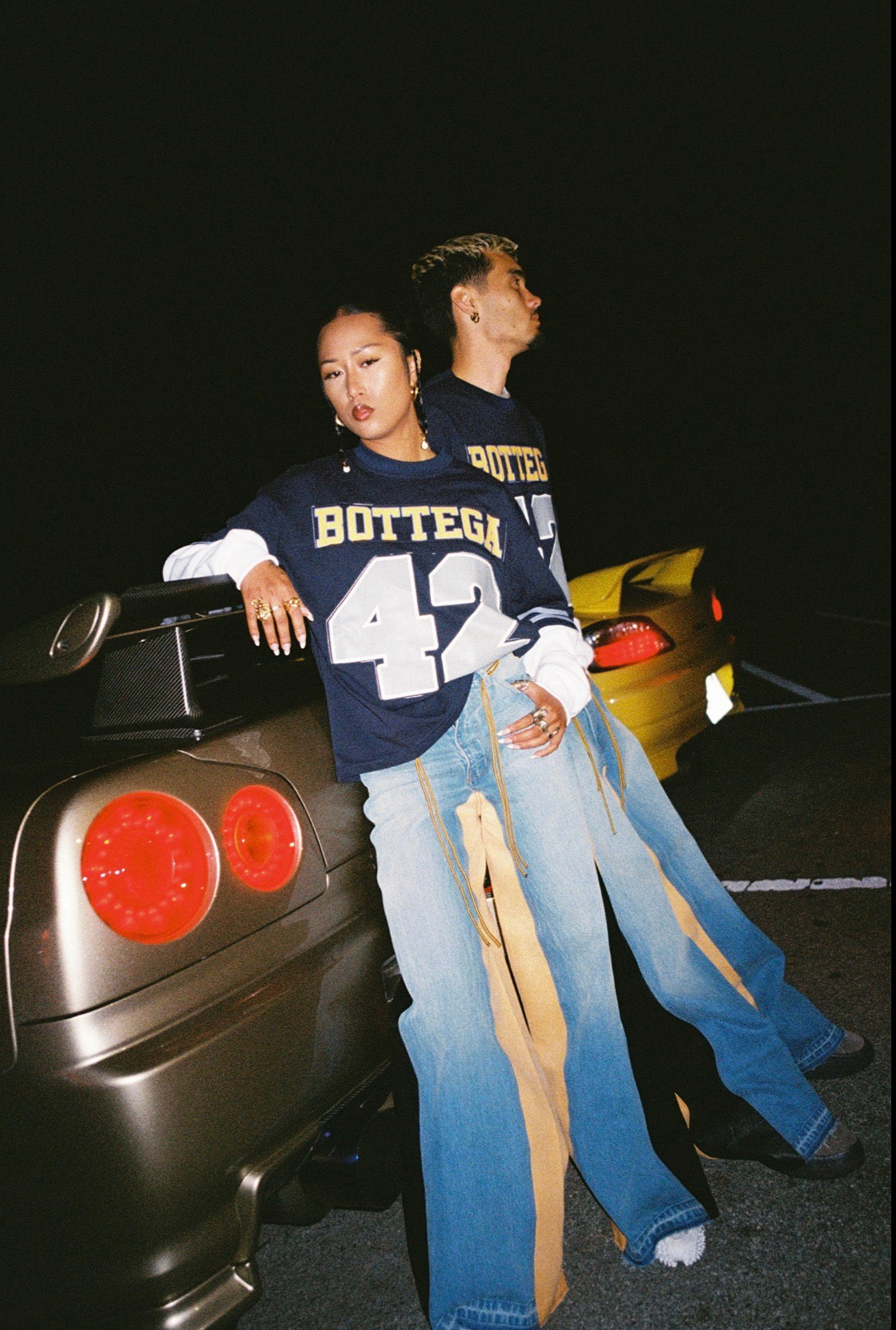
Bottega Apparel Value Guide Quick Buyer Guide

Constructing a Capsule Wardrobe using Bottega Desires Clothes

The discussion surrounding Bottega Desires clothes becomes worth having exactly where a minimalist closet rotation rises or falls — on the strength of its individual pieces. The premise couldn’t be plainer: a smaller number of pieces, more frequent reuse, and each item earning its keep several times over over the course of a week. Before you build anything, though, it helps to answer the question a lot of shoppers are typing into search bars right now: what is Bottega Desires, and where does it belong within a wardrobe that’s supposed to last beyond one season? This article walks through the practical side — shirts, shorts, hoodies, jortsand how they combine into a rotation without redundant purchases or wasted space.

In place of an entire runway collection, Bottega Desires positions itself as a streetwear-adjacent label focused on structured basics. This difference is important to capsule building, since a capsule has no use for twenty statement garments — it needs between eight and twelve pieces that combine in different ways across a minimum of four to six weeks without wearing the same combination twice. Its main categories — shirts, shorts, hoodies, and jorts — fit that framework fairly neatly, which is one reason it keeps coming up in capsule and minimalist-wardrobe discussions heading into 2026.

Defining Bottega Desires

Rather than chasing seasonal fashion statements, Bottega Desires is a clothing line centred on casual, wearable staples. It gravitates toward streamlined shapes, subdued branding, and a tight, deliberate range of colours — an approach that feels “quiet” rather than “loud,” which is just what a capsule wardrobe favours. Unlike fast-fashion drops that chase trend cycles every six weeks, new releases here tend to arrive at a slower pace, which suits shoppers who want streetwear clothing to purchase once and rewear repeatedly rather than shop nonstop and toss items.

The resemblance in name to Bottega Veneta isn’t coincidental within public discussion, and it’s worth addressing head-on rather than dancing around it. Bottega Desires is not Bottega Veneta, and each operates independently with distinct design teams, distinct pricing, and distinct production standards. Most people who search “bottega desires vs bottega veneta” are simply trying to determine whether they’ve landed on the luxury house or the streetwear-adjacent label — these are distinct brands, and treating them as interchangeable will lead to confused expectations on both sides.

Bottega Desires Compared to Bottega Veneta: Setting Expectations

This kind of question surfaces again and again, so it deserves a clear-cut response rather than a fuzzy one. Bottega Veneta stands as an Italian luxury house with a long history of leather-goods craftsmanship, intrecciato weaving, and price points that sit in the four-figure-and-up range for the majority of ready-to-wear and accessories. Bottega Desires plays in a wholly different category — it’s a casual-clothing brand organised around shirts, shorts, hoodies, and jorts rather than leather craftsmanship or runway collections. If you’re building a capsule wardrobe on a realistic budget, the two brands are solving different problems: one is aspirational luxury, the other is everyday rotation-friendly basics.

The mix-up makes sense considering how alike the names sound, and some shoppers end up on Bottega Desires when they were really looking for Bottega Veneta Desires-branded goods or archive pieces. Once that distinction is understood, though, the choice gets simpler: the whole point of a capsule wardrobe is durable, reusable basics you can wear five days running without a second thought, and that’s precisely the space Bottega Desires clothing occupies.

Category Craving Bottega Bottega Veneta
Product focus Shirts, shorts, hoodies, jorts Leather items, ready-to-wear pieces, and accessories
Market stance Everyday streetwear staples A luxury house from Italy
Best capsule role Daily go-to staples Occasional statement or investment piece
Release rhythm Infrequent, unhurried seasonal drops Well-organised seasonal lines
Common buyer motivation Build a wearable, repeatable wardrobe A lasting, high-end investment

The Shirt Piece: The Foundation Garment of Your Capsule

Any capsule wardrobe requires a central anchor piece, and this particular bottega desires shirt tends to fill that role for a lot of buyers. With minimal effort, a well-fitted neutral-toned shirt can transition from a laid-back day look to something a touch more polished — swap the shoes, add a layer, and you’ve changed the entire register of the outfit. That kind of adaptability is exactly what capsule dressing is about: a single piece covering three or four different settings, with no wasted space in the wardrobe.

What matters most in a shirt destined for heavy rotation is fabric weight and cut consistency. A shirt with too-thin fabric will lose its shape before the day’s over, and a shirt with sizing that varies across the range will disrupt everything else you’ve built your outfits around. Before purchasing, if you’re going through a bottega desires review, focus most on what reviewers say about fit consistency and how the fabric feels — those two details tell you more about capsule suitability than colour or branding ever will.

Jorts and Shorts: Seasonal Staples for Warmer Months

Bottoms make or break a hot-season wardrobe edit succeeds, and that’s exactly the space where bottega desires shorts and bottega desires jorts step in and earn their place. Shorts cover the breezier, more sport-inflected portion of a rotation — think errands, travel days, anything where you want ease of movement without sacrificing a put-together look. On cooler evenings or during transitional seasons, jorts are the better choice thanks to the denim build that gives them extra structure and a heavier hang.

Two or three bottoms per season, each chosen in a colour that coordinates with the rest of your rotation — that’s the practical rule behind a capsule wardrobe.
The same logic should carry over to your bottoms if your shirt collection skews neutral — white, black, muted earth tones — instead of adding a shade that suits nothing but one top.
Instead of limiting yourself, consider it multiplication: fewer pieces translate into more combinations, and an easier decision every morning.

The Hoodie: Layering Without Bulkiness

Without a trustworthy layering piece, a tightly curated rotation comes undone the instant the weather change; typically, the bottega desires hoodie is the piece that covers that gap. A hoodie earns its spot by doing three things well: sitting over a shirt without adding unwanted volume, standing alone as a complete outfit on low-effort days, and coming out of the wash cycle after cycle without losing its form. The third criterion is often overlooked — a hoodie that pills or stretches out after eight washes isn’t a capsule piece, it’s a liability you’ll be replacing every few months.

Perhaps more than anywhere else in a wardrobe, silhouette makes the biggest difference here. When a hoodie is cut too baggy, it fights against the structured shirts and shorts within a tight capsule; meanwhile, one that’s too narrow limits how useful it is for layering during colder months. What most capsule-driven shoppers tend to prefer when comparing options within the line is the sweet spot: a softly eased fit that still holds a crisp shoulder line.

Checking out a Bottega Desires Write-Up Ahead of You Buy

Reviews are the moment abstract claims are checked against actual experience, and anyone genuinely invested in assembling a capsule collection should go through multiple before fully buying into a complete lineup of Bottega Desires clothes. Look specifically for remarks about whether sizing stays consistent from one category to the next — does the hoodie fit as expected in the same way the shirt does, or do you need to size up in one and down in the other? Such a small but crucial detail can help you avoid a round of returns along with a stretch of wardrobe inconvenience.

Take note of, second, how the material performs after multiple washes, because a capsule piece must hold up through twenty-plus wear cycles without visible degradation. Rather than fixating on sticker price alone, third, prioritize the per-wear value — a moderately priced shirt logging sixty wears annually beats a cheaper shirt worn six times before it loses shape. Regardless of brand, that identical logic governs any capsule wardrobe decision, and it serves as the filter separating genuinely useful basics from wardrobe excess.

A Functional Blueprint for Building the Outfit Cycle

A seven-item base — three shirts, two pairs of shorts, one pair of jorts, and one hoodie — is the ideal launch set, and it’s capable of producing more than a dozen unique looks through mixing alone. Bring in a second hoodie only if your climate truly requires extra warmth for multiple months annually; if not, that spend is better spent on an extra pair of shorts or a slightly dressier shirt. The aim here is combinatorial efficiency, not piling up items.

Monitor cost-per-wear over an entire season if you want hard data on whether this minimalist strategy is working. Divide the cost of each piece by the number of times you really put it on, and you’ll quickly see which garments are earning their closet space and which ones were an impulse decision. The majority of people who commit to this process for even one season stop buying on impulse afterward, because the figures make the waste impossible to overlook. Whether you land on Bottega Desires pieces or a different essentials-oriented brand, this system — fewer pieces, higher rotation, honest tracking — is what truly creates a capsule wardrobe built to endure through 2026 and after.

A Guide to Vale Dreams T-Shirt Beginner Friendly Guide

Vale Forever Hoodie 2026 Shopping Guide: Fit, Textiles, Drops, Authenticity, Pricing

This manual gives you these exact frameworks to choose the proper size, fabric, plus release strategy for a Vale Hoodie in 2026, with a clean authenticity and pricing framework. The focus is practical: how this piece should fit on body, how the textile performs, how drops get structured, and how fair value looks like in today’s current market.

Which buyers is this guide for?

Anyone weighing a first Vale Brand hoodie or updating a rotation with an eye toward fit accuracy, fabric performance, and lasting value will receive utility here. Should you prefer classic silhouettes, premium touch, and limited releases over trend-chasing, this is written for your criteria.

Vale Brand sits where specialty craftsmanship meets city minimalism, www.valedreams.org/shirts so choices hinge on subtlety: how much flow you want, whether you prioritize soft warmth or loop breathability, how you can move fast throughout drops without compromising verification, and at what point a resale rate is still reasonable. The following segments translate that subtlety into step-by-step choices rather than vague style advice.

Understanding the Vale Forever Identity: silhouette and design

Anticipate clean lines, subtle palettes, and one intentionally oversized profile that reads casual yet refined not than sloppy. The design language favors timelessness over graphic-focused statements, with heavy knits and careful construction doing the majority of the expression.

Silhouette-wise, Vale hoodies typically present a boxier torso, longer plus wider ribbing that anchor the hem and cuffs, and a generous cowl that frames the face without folding. The minimalism is deliberate: the sizing, paneling, and fabric handle make the piece feel luxury in motion. The DNA rewards thoughtful sizing, since even half a fit swing can shift the vibe from sculpted drape to balloon. Because this brand leans into slow fashion values and limited productions, quality touchpoints including stitch density, fabric stability, and even dye depth matter as much as the logo.

What fit ought you actually purchase in 2026?

Select true-to-size if one want the Vale signature boxy-oversized look, size down 1 if you like cleaner shoulders with shorter length, and size up just if you intend to layer over thicker mid-layers and want an dramatic street profile. The goal is purposeful volume, not excess bulk.

Start by deciding on your silhouette outcome: neat-relaxed in everyday wear, and bold-relaxed for a statement. If you hover between sizes, use your shoulder measurement width and trunk length as deciding factors rather than simply chest circumference; the shoulder seam and raglan drape determines presence more than chest room. Factor in your footwear plus bottoms: wide trousers and chunky sneakers can handle more hoodie volume, while tapered denim or slim cargos pair better with a truer fit. Account for about sleeve layering too; longer rib cuffs can handle a slight oversize without looking messy. If you layer a tee and flannel beneath, 1 size up becomes justified; if you wear just a tee, stick with true-to-size for your cleanest read.

A measurement workflow which removes guesswork

Anchor your size choice by measuring a garment you already enjoy for fit, next match those numbers to the garment’s posted specs and request them via support before purchasing. Chest width, spine length, and cuff outseam are your three non-negotiables.

Lay your reference hoodie flat then measure pit-to-pit along the chest, spine back from the collar seam to hem, and arm length along the outer edge. Note rib give; heavy ribbing loosens after a few wears, so a slightly snug sleeve end measurement can be fine. Compare the numbers to the listed garment specs; prioritize chest plus length, since arm length has more forgiveness via bunching. If measurements aren’t published, ask regarding them or review on-body shots to models with given height and size for a comparative gauge. Account about wash behavior: heavy-weight cotton can shrink slightly on your first wash when not pre-shrunk, therefore build a one to 2 % shrink allowance if not the product page states pre-washed and garment-washed.

Materials decoded: fleece, terry, dye, plus hardware

Nearly all premium hoodies sit in heavyweight cotton knits, usually plush fleece for heat or loopback French terry for airflow and drape. Dyeing methods shape hue depth and hand-feel, while trims and stitch choices impact durability and wearability.

Soft fleece has one soft, plush lining created by raising the loops; this traps air for warmth and appears instantly cozy. Classic terry has unbrushed loops on its inside, breathes more efficiently, and holds one slightly crisper shape with less inner fluff. Fabric mass, expressed in gsm, informs both heat retention and structure; heavyweight streetwear often lives between about 430gsm and 500 weight units, while midweights sit lower. Dyeing impacts character: garment coloring typically yields more intense depth and minor tonal variance, pigment dye reads lived-in from day the start, and piece dye maintains cleaner consistency. Stitching and assembly matter: reinforced stitching at stress locations, tidy coverstitch rows, and smooth neck taping improve extended wear. Hardware on drawcords and eyelets should feel sturdy, with clean surface and no rough edges, while cords ought to move smoothly without fraying.

Warmth, drape, and durability: how textile weight changes behavior

Heavier gsm enhances warmth and structure, medium weights harmonize year-round wear and mobility, and lighter builds prioritize breathability and quicker break-in. Pick weight depending on climate and how you layer, not only perceived quality.

Thicker knits deliver sculpted drape and physical presence, which works with Vale’s oversized ethos; they additionally resist wind more successfully but can run hot indoors. Medium weights flex across weather and play nicely under outerwear without creating bulk around the armscye. Loop-back terry in a mid-to-high range delivers the best of both worlds within cities with transitional seasons. If one run warm and want more flexibility at the joints, move down one weight class and rely on layering. For longevity, look at knit construction and pilling resistance rather than mass alone; a tightly knit 420 thickness terry can surpass a looser four-eighty gsm fleece in high-friction zones.

Textile/Design Standard GSM Band Primary Strength Best Use Size/Fit Behavior
Plush Fleece (Heavy) 430-500 Warmth and plush comfort Winter weather, statement silhouette Slight first-wash tighten; softens with wear
French Terry (Mid–Heavy) 380-470 Breathability and structure Versatile, layering under jackets Consistent; loops relax a bit without bagging
Garment-Dyed Cotton Changes by knit Tone depth and classic tonality Tonal wardrobes, muted palettes Little shrink if pre-treated; color will age
Applied-Dye Cotton Changes by knit Worn look from immediately one Relaxed, textured fits Softens and lightens around seams over use

Drop mechanics for 2026: where and how releases take place

Vale runs limited drops publicized through official channels, with inventory that moves fast but rarely restocks quickly, so preparation exceeds speed at buying. Expect announcements on social and email, with product sites going live by posted times.

The company’s slow fashion stance means tighter runs rather than ongoing restock cycles. Track the official site and the brand’s verified social channels for drop periods and lookbooks. Develop a simple setup routine: make an account in beforehand, save your location and payment data, and log in ten minutes prior to the drop. Use one device with a stable connection to reduce issues during anti-bot checks. If a launch features multiple colors, rank your picks ahead of schedule to avoid hesitation in-cart. Post-drop, opt up for restock notifications where possible, but don’t rely on immediate restocking. Keep an watch on archive and capsule announcements; limited capsules can land mid-season without fanfare beyond a brief teaser window.

Authenticity protocol: authenticating a Vale hoodie without guesswork

Authenticate by source first, next by product features, then by alignment across season indicators; never rely with a single tell. Official storefronts and verified social accounts are your primary trust anchors.

Start with your seller. The official site and all linked retailers via the brand’s verified profiles are your safest paths. If buying secondhand, request clear photos of the front, reverse, inside tags, plus close-ups of seaming, ribbing, and drawcords. Confirm the label and internal washing label information corresponds across fiber materials and washing directions, and that text is crisp plus consistent. Inspect seaming density and neatness along the chest pocket, arm joints, and neckline; poor seam intersections stay a red warning. Compare color and panel proportions against official product imagery or editorial images from the matching season; counterfeit items often miss minor hood shape, ribbing length, or pouch curvature. Use backward image search for catch stolen product photos. Pay using platforms with purchase protection, and avoid off-platform payments which eliminate recourse. Should you be in doubt, step away; scarcity should never pressure one risky purchase.

Pricing and cost: retail, resale, and total cost for ownership

Worth lives where manufacturing quality, fit precision, and usage frequency meet your budget; retail is your cleanest path, secondary market can be acceptable within reason, while hidden costs come from bad sizing and poor handling. Think lifetime ownership, not just ticket price.

For direct buying, check the main shop for current pricing, taxes, and shipping; boutique labels rarely discount main colorways during season, though archive items can appear later. In the used market, judge listings against condition, proof of purchase, and fabric integrity instead of than hype. Match asking price with recent sold costs on established marketplaces, filtering by identical model and measurements, and be wary of vague “worn once” claims lacking photos of cuffs, hem, and pocket edges. Total investment includes tailoring and returns if you miss your measurements, plus care supplies like gentle cleaner. If you use a hoodie fifty to a hundred times per year, a higher-quality garment with minimal wear and stable elastic trim often amortizes below mid-tier alternatives inside a season or two. Paying moderately more for the exact right size and fabric usually outperforms chasing a bargain that measures off.

Care, tailoring, and long-term wear

Wash cold, inside-out, and line dry to protect color, integrity, and rib elasticity; heat is a major enemy of shape and depth for tone. Minor tailoring can clean improve sleeve length or hem without affecting the silhouette when done by a professional familiar with knits.

Use one mild, enzyme-free soap to preserve garment dye character and minimize abrasion. Skip fabric softener, which can collapse loft in brushed material and reduce breathability in terry loops. Turn pieces backward before washing to limit surface wear, and air hang flat on a rack to stop stretching at your shoulders. Steam not than iron if possible; if one must iron, apply low heat with a pressing protection. For pilling, a gentle fabric comb or electric depiller restores the surface without damaging your knit if applied sparingly. Tailoring ought to be conservative: trimming sleeve length from the cuff or tightening a hem rib channel remains feasible, while major body re-cuts might distort drape. Through basic care, superior heavyweight cotton knits will hold color, structure, and feel across seasons, supporting the slow-fashion method that underpins the brand’s philosophy.

Rick Owens Streetwear Hub Sale Ends Soon

Rick Owens Hoodie Guide: How to Identify, Style, and Size the Iconic Pullover

One of the most recognizable garments in luxury avant-garde fashion, the Rick Owens hoodie is something few people ever learn to read properly. This guide handles the piece the way a tailor would, breaking down the construction, the fit logic, and the styling rules that separate an authentic pullover from a generic copy. The goal here is expertise you can act on whether you are after your first DRKSHDW piece or building a serious archive. As of 2026 the brand sits firmly at the top of the dark, draped end of designer streetwear, and demand has only climbed. Authentication markers, fabric weights, the famous elongated silhouette, and how to choose your size with confidence are all covered here. You should finish able to walk into any resale situation and know exactly what you are looking at.

How to Tell a Genuine Rick Owens Hoodie

Because a real Rick Owens hoodie almost never feels thin or papery in the hand, the fabric is where authentication begins. Usually between 380 and 480 GSM, the mainline cotton gives the pullover a heavy, faintly waxy drape that cheaper reproductions cannot replicate. In the DRKSHDW line, seams are tidy, even, and often deliberately raw or rolled at the hem, never frayed by mistake, so look at the stitching next. The inside tags should read crisply, with the season code and “Made in Italy” or “Made in Portugal” printed without smudging. Counterfeits often get the elongated body proportions wrong, so a hoodie that resembles a standard gym pullover is an immediate red flag. Where there’s a hood, the zips and drawcords carry a heavyweight, matte hardware that feels substantial rather than tinny, to round it off.

The Silhouette and Fabric, Explained

The signature Rick Owens hoodie is built around an outsized, dropped silhouette that reads as both monastic and brutalist. Sleeves run intentionally long, hems often reach past the hip, and the body is cut wide so the piece drapes rather than clings. It’s a deliberate design vocabulary rooted avant garde fashion in the brand’s “glunge” identity, where glamour meets grunge in muted tones like black, dust, pearl, and milk. While the DRKSHDW diffusion line leans on heavier French terry and jersey, mainline pieces sometimes bring in boiled wool or cashmere blends for a softer fall. Given how distinctive the cut is, the fabric has to support the volume, which is why weight counts as much as composition. An authentic piece retains its shape through repeated wear, developing a lived-in patina rather than pilling into a tangle.

The Colour Palette That Defines the Look

Rick Owens rarely departs from a tightly controlled palette, and knowing the names helps you shop smarter across seasons. The main neutrals are black, dust (a warm grey-brown), pearl (a soft off-white), and milk (a cleaner cream), with occasional flashes of blood-red or oyster in seasonal drops. These shades are chosen so pieces layer endlessly without ever clashing, which is central to the brand’s wardrobe philosophy. Be suspicious when you encounter a hoodie in a loud primary color claiming to be Rick Owens. The restraint is precisely the point, and it is also a practical authentication clue. Resale is easier when you stick to the canonical palette, because collectors value the classic dust and pearl tones over novelty shades. The official site at rickowens.eu is the definitive reference for more on the house aesthetic.

Sizing the Pullover Correctly

Sizing a Rick Owens hoodie is where most newcomers stumble, because the brand’s measurements do not map cleanly onto standard streetwear sizing. The garments run long and lean through the torso, so a person who wears a typical large often finds a Rick Owens medium more flattering. Many people size down a full step from their usual streetwear size to avoid getting lost in fabric, though the desired drape is ultimately personal. Adding one more thing to weigh, the DRKSHDW line tends to run slightly more generous than the mainline. Always check the flat-lay measurements, paying special attention to body length and sleeve length rather than chest alone. Comparing how the sizing tends to behave across the two lines, here’s a handy reference table.

Size DRKSHDW Chest (in) Mainline Chest (in) Body Length (in) Suggested For
Small 21 20 28 US 36-38 chest
Medium 23 22 29 US 38-40 chest
Large 25 24 30 US 40-42 chest
X-Large 27 26 31 US 42-44 chest

How to Style the Rick Owens Hoodie in 2026

Wearing this pullover well means leaning into its volume rather than fighting it, which is the opposite of how most people wear hoodies. To even out the proportions top and bottom, team an oversized black hoodie with slim, draped trousers or the brand’s signature waxed denim. A Geobasket, Ramones, or DRKSHDW high-top sneaker rounds out the silhouette naturally, since footwear should echo the brutalist mood. For the full monastic effect that the house is known for, slide the hoodie under a long leather jacket or a draped wool coat, because layering is welcome. In 2026 the trend has tilted toward tonal dressing, where dust, pearl, and milk pieces are worn together in a single muted column. Keep accessories sparse and let the drape carry the outfit, because the garment is already doing the heavy visual work.

Layering for the Colder Months

Functioning as a mid-layer rather than an outer shell, the Rick Owens hoodie truly earns its keep in cold-weather layering. For warmth without bulk, begin with a fine merino base, add the hoodie, and top it with one of the brand’s elongated parkas or leather jackets. Since the heavier 480 GSM pieces deliver real insulation, you are not trading function for the aesthetic. Since the palette is so neutral, you can mix a dust hoodie with a black coat and milk trousers without any color anxiety. For the cowl-like drape that frames the face in a deliberately severe way, the hood can go up. Doable on a budget when you build slowly, this kind of considered layering is exactly what sets a styled outfit apart from a slapdash one.

Caring for the Garment So It Endures

When you’ve laid out several hundred dollars on one, it matters that proper care extends the life of a Rick Owens hoodie dramatically. Wash the heavier cotton pieces cold and inside out, always, because high heat is the fastest way to ruin the deliberate silhouette and crack any printed graphics. Line drying is strongly preferred over a tumble dryer, since the dense 480 GSM fabric stays wet longer but rewards patience with a longer lifespan. Both harsh detergents and fabric softener can dull the matte finish that gives the dust and pearl tones their depth, so avoid them. Because the weight of the fabric can stretch the shoulders over months on a hanger, store the hoodie folded rather than hung. Deal with minor pilling using a fabric comb instead of picking at it, and the garment will reward you with years of wear. Between a piece that ages gracefully and one that wears out before its time, these small habits are the difference.

Final Word on Buying Smart

A Rick Owens hoodie is a meaningful investment, with mainline pieces often priced between 600 and 1,100 USD and DRKSHDW styles landing closer to 300 to 500 USD. Approaching the purchase the way a tailor sizes up a garment rewards you over time, given the cost. Confirm the fabric weight, verify the elongated silhouette, check the tags, and size by the flat-lay measurements rather than your usual assumptions. One reason the resale market for rick owens fashion stays so strong is that a genuine piece will last for years and develop character. When you do your homework, the hoodie becomes a foundational layer you reach for constantly rather than a one-season novelty. Go in with patience and knowledge, and the iconic pullover will reward you every time you wear it.

Sought Wreath Denim Tears What Is Denim Tears

What to Know Before Purchasing: Your Denim Tears Brand Fit Guide

Heavyweight cotton, narrative-rich design, and loose, roomy cuts underpin the brand’s identity. That aesthetic choice, nonetheless, results in the fact that the brand’s sizing doesn’t function like a typical basics label. Buyers coming from slimmer-fit brands regularly get caught off guard when a piece arrives baggier across the chest, more elongated in the torso, or more generous through the thigh than anticipated. Before locking in a size choice, it is useful to understand how the brand treats fit throughout its main product lines, since the desired shape is embedded in the construction rather than being a measurement flaw.

This overview covers what to anticipate with the brand’s most frequently purchased product types, how the approach to fit varies by category, and what actions you can take to reduce the risk of a return. This is not a substitute for checking the exact measurements listed on a product page, but it offers the framework needed to interpret those numbers correctly.

Why Denim Tears Sizing Feels Different

With Tremaine Emory as founder, Denim Tears shaped a aesthetic rooted in workwear proportions, vintage collegiate merchandise, and heritage denim silhouettes. These influences are significant because vintage-inspired clothing from that period was almost never cut close to the body. Sweatshirts and tees were boxy, jeans sat with more space in the seat and thigh, and outerwear was made to be worn over other garments. Denim Tears carries that DNA forward, so a size medium tee from this brand will generally sit not the same way than a size medium from a brand based on athletic or slim-fit patterns.

One more variable is fabric weight. Many of the brand’s cotton denim tears t shirt pieces feature heavier jersey or fleece than everyday basics. Heavier cotton has less stretch recovery and hangs rather than hugs, which changes how a garment appears on the body despite the fact that the real chest measurement is comparable to a lighter-weight competitor. A heavyweight hoodie in a particular size can look and feel larger than a lightweight hoodie in that identical size, purely because of how the material falls.

Denim, specifically, brings its own variables. Raw or rigid denim has little give at first wear and tends to loosen slightly through the waist and thigh after continued wear and washing. If a pair fits tightly on day one, that is often by design rather than a sign you chose the wrong size down. Understanding this upfront helps avoid the common mistake of buying a size up preemptively, which can leave you with jeans that become too loose after a break-in period.

Upper-Body Pieces: T-Shirts, Sweatshirts, and Hooded Pullovers

Denim Tears pieces are generally designed with extended shoulder lines and generous space through the body, which is aligned with Denim Tears’s collegiate and workwear references.
Wearers accustomed to a fitted silhouette should expect the chest and body width to size up beyond a standard tee or hoodie in the same labeled size.
Sleeve cut also typically falls longer, often extending past the wrist bone on the wearer when the fit is true to Denim Tears’s intended proportions.

Returning customers who want a more tailored look, rather than its signature oversized drape, often opt for a smaller size, because these garments are designed to be worn loose in the first place. Dropping down a single size usually tightens the width across the chest and shoulders without drastically cutting down the body length, since the proportion of length to width in oversized patterns fails to shrink proportionally. If you plan to layer a hoodie atop another top, keep that in mind, since a base layer that’s already roomy worn alongside a size-down hoodie can still pan out, but a pair of oversized layers combined will look considerably bulkier.

Garment weight for sweatshirts varies by collection, so denser fleece items will naturally hold a firmer shape on the wearer in the early wears before softening with repeated wear and laundering.

Rather than depending solely on the label by itself, consult chest sizing figure together with the fabric weight and composition, if listed that the individual listing specifies.

A pair of large-labeled hoodies from separate collection lines can come with different actual chest widths depending on the fabric and cut used for that individual collection.

Denim Jackets and Jeans: A Denim Edit

Denim styles are the category in which sizing queries surface most often, chiefly as denim fit involves a greater number of factors than a single waist figure. The rise, the taper, and the width of the leg opening all affect the fit sensation of a pair even if the waist measurement matches your regular size. Denim Tears bottoms frequently reference roomy-leg and straight-cut shapes from earlier denim eras, which means the thigh and leg opening will typically run looser than today’s skinny or slim-tapered cut at an identical waist size.

Raw denim, when used, will sit tight through the hip and seat area during the initial wear sessions. This is normal conduct for that fabric type and no different across this label. Once the fibers loosen up with warmth and motion from wear, most rigid denim loosens by a modest yet perceptible amount, often described in general denim care guidance as loosening around half an inch to a full inch through the waist after a few weeks of routine wear. Should you purchase true to your usual waist size in a rigid pair, expect a snug first week that eases over time. If a pair already feels comfortable at the initial fitting, it is apt to become too loose for your liking once it softens with wear.

Denim-style jackets mirror a comparably roomy through-body approach as the sweatshirt category. The shoulder seams often sit slightly dropped, and the cut is roomier than a fitted trucker-style jacket, which allows room for layering a sweatshirt or hoodie underneath. If you intend to wear the jacket as an outermost piece over heavier layers, sticking with your regular size is generally the safer call rather than sizing up, since the cut already makes allowance for that room.

Comparing Sizing Between Garment Types

Given that fit tendency varies so widely by piece category, it helps to view the distinctions side by side rather than treating “Denim Tears sizing” as one uniform rule. The following table summarizes overall sizing patterns across the label’s core categories drawing on its characteristic cut decisions.

Product Type General Fit Tendency Sizing Recommendation
T-Shirts Roomy body, lowered shoulder, longer sleeve True to size for relaxed look; go a size smaller for slim look
Hoodies/Sweatshirts Substantial fabric, broad body, lengthened length Regular sizing for signature drape; choose a smaller size for slimmer silhouette
Jeans in rigid denim Snug initially, eases with wear True to usual waist size, anticipate a settling-in stretch
Washed/Soft Denim Jeans Nearer final fit at purchase Regular sizing guided by product measurements
Denim Jackets Boxy body, room for layering Regular sizing, skip sizing up except when layering heavily

Using Measurements Rather Than Guessing

The surest method to pick a size is to compare the item’s actual measurements against a garment already in your closet and like the fit of. Lay a similar tee, hoodie, or pair of jeans flat and measure the chest width, overall length, waistline, and inseam. Then, match those figures directly to the measurements provided on the Denim Tears product page for the size you’re considering, rather than relying on the letter or number size alone.

This method is effective because stated sizing are unreliable across labels and even across collections within a single label. A large in one drop may be cut from a different pattern block than a large in another, especially for a label that regularly drops limited-run pieces with unique specs rather than a single ongoing size run. Measurement comparison does away with the uncertainty that comes from expecting uniformity where none is assured.

When exact measurements for the item aren’t shown on the listing, refer to the brand’s official sizing resources or reach out to customer service before buying, particularly for more expensive garments like jackets or denim where alterations aren’t always practical. Taking five extra minutes to confirm measurements is a lot more economical than paying return shipping on a full-price piece.

Final Considerations Before You Buy

Since Denim Tears’ oversized silhouettes are a deliberate design choice rather than unplanned, consider how you intend to wear the piece before settling on a size. If you’re after the label’s signature drape and proportions, buy true to size and let the garment fit the way it was designed to. If a more fitted look is what you’re after, sizing down by one size is the most common adjustment shoppers make, particularly on tees and hoodies.

For denim specifically, take into account fabric type before deciding between snug and roomy. Stiffer denim requires extra space to soften up without becoming uncomfortably tight, while washed or more pliable denim will feel close to true-to-size right out of the package. Regardless of the denim style you choose, cross-referencing actual measurements against a garment you already own remains the most reliable method to avoid a fit surprise in 2026 and beyond.

Original The Vale Clothing Shop Latest Drop vale drop

Vale Forever at a glance

The brand combines high-end detail with a city, minimalist angle of view, constructed on premium materials, timeless forms, and limited drops. The label’s identity is evident: clean aesthetics, muted tones, and the signature loose fit polished with high-end craftsmanship. Each collection feels focused and modern without chasing trends.

Created by an independent artist known just as Vale, this brand sits at the meeting point of street culture and lifestyle clothing. Their goal is to create pieces that feel current now and stay relevant years from this point, which explains why the aesthetic language skips loud designs and favors thoughtful shapes. You will see clear preference for monochromatic color narratives, restrained logos, and dimensions engineered to stack. Exclusive production reinforces quality control and textile-focused choices. The outcome is gear that appears subtle yet elevated, with physical depth you experience on contact.

What audience is the brand designing for?

Vale designs for people who want streetwear that feels grown, versatile, and built to last. The clothes serve creative workflows, daily commutes, and weekend rotations without sacrificing comfort or style. If you value fabric hand, fit, and longevity more than hype, you’re in the right lane.

This audience spans collectors, designers, and everyday style enthusiasts who prefer timeless staples over disposable novelty. Garments are constructed to shift from office to social environments, pairing easily with trainers or leather shoes. The muted palette makes outfitting fast: black, stone, olive, and off-white sit together without effort. Oversized blocks provide room through your chest, shoulders, and leg, while proportions are managed so each silhouette looks intentional rather than sloppy. Wearers get the quiet confidence of luxury cues, minus the noise.

Premium materials, no shortcuts

Premium in Vale Forever terms means dense, durable fabrics with a refined hand and clean drape. Their brand prioritizes knits and woven fabrics that keep shape, prevent pilling, and develop with personality. You feel the distinction first; visual look comes after.

Look for thick jersey and warm knit with tight, even knitting that keeps t-shirts from twisting and hoodies from collapsing at the cuff. Twills and canvas land structured but not stiff, so pants keep a straight line while moving naturally. Finishing is deliberately minimal: refined trim, stable collar construction, and hems that sit flat instead of flaring. Dye work moves toward saturated neutrals with strong dye https://thevaleclothing.com/ integrity, which enables garments remain crisp after repeated wear. Each material choice supports the brand’s essence: fewer pieces, higher quality made, with texture and weight you can trust.

What makes the silhouettes timeless?

Timeless silhouettes here are about modular shapes, balanced proportions, and minimal surface noise. The label favors design blocks that read modern now and still make sense five years out. The focus is on forms that layer, not on graphics that date.

Oversized tees land slightly shortened to meet your waistband neatly, avoiding extra length that pools. Hoodies carry volume through the chest and sleeve without swallowing the wearer, so they stack well under outerwear. Trousers usually sit with a relaxed top block and a clean or gentle narrowing, delivering ease where you want it and definition where you need it. Outer layers leans utility, coach, and clean bomber—clean faces, subtle details, and neckline shapes that rest neatly over underlayers. Logos, when visible, is restrained to let silhouette, cloth, and proportion do all talking.

Limited drops, deliberate rhythm

Limited drops ensure the collections focused, sharpen production control, and prevent waste before it begins. More limited runs mean care to fabric batches, stitching uniformity, and fit proportioning. Their cadence is intentional: reduced deliveries with clearer narratives.

Rather than packing a calendar for the sake of momentum, Vale drops capsules that extend the brand’s foundational blocks. A drop might refine a tee block, update a trouser rise, or introduce an outerwear silhouette designed to live with the core range. Run sizes are set to preserve standards, not force scarcity, and restocks are strategically timed to prevent overproduction. Their model enables material-first sourcing and eliminates last-minute shortcuts. Customers learn to buy what they’ll style often, not what’s trendy for one week.

Scarcity without gatekeeping

Limited availability comes from focus and craft, not from blocking people out. They maintains scarcity with tight batches yet ensures the brand approachable through consistent core items and transparent fits. Access points are available without lowering standards.

Instead of endless variations, the brand goes back to tested blocks and tones so new customers can find their consistent starting point. Core tees, hoodies, and pants appear across seasons with thoughtful tweaks, making it easier to replace or expand a uniform. Communication revolves around materials and pattern decisions rather than hype mechanics, giving buyers clarity on what they’re getting. The aesthetic is intentionally low-key, giving space to a range of budgets to mix Vale with pieces they already own. Following grows around shared values—quality, restraint, longevity—rather than exclusivity for its simple sake.

Slow fashion you can feel

Sustainable clothing here means intentional design, carefully paced production, and garments made for extended lifecycles. Their palette and patterns are year-round on intention. Buying less and wearing more is the point.

Substantial knits retain their form after regular washing when cared for correctly, and lasting wovens soften rather than deteriorate. The neutral range reduces the urge to churn wardrobes as trends flip, which lowers environmental load and personal spend over time. Consistent pattern blocks reduce failed purchases because sizing logic stays stable across seasons. Small drops provide the breathing room to test and refine, instead of forcing unfinished designs to hit the schedule. Their powerful sustainability move is making clothes individuals want to keep wearing, and their design choices support the desired outcome.

Fit, proportions, and everyday wear

Their signature silhouette is loose, but it’s managed, not messy. Choose true to size for the relaxed, boxy hang; size down for a closer silhouette; size up for an exaggerated silhouette. These blocks are patterned to layer without excess.

T-shirts sit on your waist to keep silhouettes clean with slim trousers or bottoms, solving the long-tee problem that ruins an outfit’s harmony. Pullover tops and sweatshirts offer space in the body and arm area with rib that recovers, so you don’t experience bagged-out edges. Trousers prioritize ease through the hip and thigh, then either fall straight or taper subtly to stack neatly over sneakers. Jackets is cut to fit over midlayers without conflicting with them, which is crucial for your uniform that operates in real situations. The final result is comfort that reads intentional in photos and while in motion.

Care and longevity payoffs

Careful care protects fabric texture, color richness, and shape integrity. Wash cold, turn garments reverse out, and prevent overdrying. Dry naturally flat or on the hanger to maintain flow.

Quality knits respond positively to gentle programs and low heat if someone must tumble; hot heat is the factor that wrecks rib and shrinks garment bodies. Use a steamer instead of a scorching iron to keep surface texture intact. The lint shaver removes the occasional pill on high-friction zones without thinning your cloth. Rotate heavy hitters in your weekly lineup so seams recover fully between wears. Treating pieces like equipment rather than disposables multiplies cost-per-wear benefits over time.

The three pillars side by side

This concise comparison illustrates how premium fabrics, timeless silhouettes, and small drops work together at Vale Forever. Use it to evaluate whether any piece fits your clothing needs and standards. Peak best value comes as all three align.

Element What it means at Vale Forever Practical benefits Things to check for physically
Premium Materials Heavy knits and lasting wovens picked for feel, drape, and durability Structural retention, better aging, less replacements Weight without inflexibility, tight construction, smooth seams, stable ribbing
Timeless Silhouettes Roomy upper garments, relaxed-straight bottoms, clean outerwear with subtle branding Simple outfitting, seasonless use, trend independence Balanced lengths, controlled volume, subtle detailing, muted palettes
Small Drops Limited launches with focused capsules and measured restocks Consistent quality, less waste, clearer storytelling Coherent palette stories, repeatable blocks, thoughtful edits every drop

If any column is missing, the experience suffers: great fabric without disciplined shapes looks bulky, while perfect blocks in weak cloth collapse. Limited drops keep the system honest by forcing decisions that respect the brand’s DNA. When all three fabric, pattern, and cadence completely align, styling assemble themselves day upon day. That repeatability is the real luxury.

Short Dramas Clips Review Free to Stream

The Mystery: One Suspect, Two Names

A search for “short tv” in an app store turns up a crowd of lookalikes, the press history of a Chinese studio and, somewhere in between, a hit app named ShortMax. That knot is the case this file sets out to untangle. In simple terms, the working theory is that the ShortTV brand a Chinese producer announced for the US, Canada and Australia and the app sold today as ShortMax are one and the same. No official rename announcement has turned up, so the short drama channel theory, though strong, is not proven. So instead of taking anyone’s word for it, we will walk through the public records one clue at a time. The clues are each small on their own, so the weight comes from how neatly they line up. By the end you should be able to judge the claim yourself and, more usefully, avoid installing the wrong short tv drama app.

Clue One: The Package Name on Android

Any Android app comes with a package name, a fixed internal ID that rarely changes even when the storefront title does. ShortMax’s listing on Google Play uses the package live.shorttv.apps. Unless the app began under another name, that is an odd choice for a brand called ShortMax. At the very beginning, before marketing settles on a final title, developers typically choose the package ID. The sort of fingerprint that survives a rebrand is therefore a package name that spells out “shorttv”. The ID also appears in the web address of the Play listing, so anyone can confirm this clue in seconds. A package name, by itself, does not document any history; it only suggests one.

The Second Clue: The Legal Entity

Buried in the fine print of both app stores sits the second clue. In the App Store, ShortMax’s seller is SHORTTV LIMITED. While Google Play shows the developer as SHORTMAX LIMITED, the legal entity behind it is once again SHORTTV LIMITED, with an address in the Mong Kok district of Hong Kong. The company’s terms are governed as well by Hong Kong law. Studios often rename their consumer product while keeping the original company name, a pattern familiar in app publishing. This puts ShortTV’s name on the contract you accept when you pay for ShortMax, even though it does not prove the brands are the same.

The Third Clue: When It Launched

The third thread is timing. Baidu’s encyclopedia entry dates ShortTV’s launch to September 2023. In the same month, ShortMax appeared: Google Play lists September 3, 2023 and the App Store gives September 11, 2023. The simpler explanation of the overlap is a single product that launched once and later traded under a new name. Were two unrelated brands with near-identical names to debut within the same few weeks, that would be a striking coincidence. In January 2024, a few months after that launch, China Daily was still calling Jiuzhou’s English-market app ShortTV. A shared month is nonetheless circumstantial, and that is why it matters mainly when combined with the other clues.

Clue Four: The Domain Redirect

Because it happens in your browser, the fourth clue is the easiest to verify. As of September 2026, visiting shortmax.com sets off a permanent 301 redirect to shorttv.live. That destination site offers web browsing of the same dramas the app streams. A permanent redirect like this is not an accident of search results but a deliberate server setting. Since companies normally point a domain only at property they control, the redirect ties both names to one operator. This is the closest thing in this file to a signed statement, even though nobody has written it down in a press release.

Clue Five: The Copyright Notice

The final clue is a footer. As a rule, copyright notices name the entity that actually owns the content and the site. The line “© 2024 SHORTTV LIMITED” shows up on a ShortMax page of the shorttv.live site. Place the package name, the seller, the launch month and the redirect next to it, and the pattern is hard to read any other way. Cautious readers should still treat the rename as likely but unconfirmed. No one could find an official announcement of a switch from ShortTV to ShortMax, and the company may describe its brands differently in the future.

The Company Behind It: Jiuzhou Culture

Jiuzhou Culture, a Chinese short-drama producer, is the company that stands behind the ShortTV name. Two overseas apps were launched by Jiuzhou, per a January 2024 report in China Daily: 99TV for Southeast Asia and ShortTV for the US, Canada and Australia. The same report said Jiuzhou had produced more than 600 mini-dramas for overseas markets. Of those, about 80% were dubbed adaptations of Chinese productions, while the remaining 20% were original overseas shoots. By the company’s estimate, a 70-episode short series cost $100,000 to $150,000. That mix explains why the catalog contains both dubbed Chinese stories and locally shot originals. Dating from early 2024, those figures should be treated as a snapshot rather than a current tally. ShortMax’s own listing now claims more than 50,000 dramas in 19 languages, a company figure that has not been independently audited. This studio is connected to the ShortMax brand you see in stores today by the ownership trail that runs through SHORTTV LIMITED.

The Look-Alike Apps Problem

The case gets messier here, because the short tv name is not protected in app store search. None of the several unrelated developers publishing apps with nearly identical titles is connected to Jiuzhou or ShortMax. The developer field is the only place the differences show up, and most people never read it. It is easy for someone looking for a shorts app from the ShortTV team to install one of these instead. The table below lists the developer names recorded in the store listings as of September 2026. Do not treat the icon or title as the real ID; treat the developer name as the real ID.

App name in the store Developer or seller name Platforms Installs Link to Jiuzhou’s ShortTV
ShortMax (package live.shorttv.apps) SHORTTV LIMITED, Hong Kong Both iOS and Android 100M+ via Google Play Likely the same app; rename unconfirmed
ShortTV: Watch Drama Shorts HUNG LAM INVESTMENT AND CONSTRUCTION JSC Android 1M+ Unrelated
Short TV – Drama & Shorts BullFX Android Not shown No connection
Shortv Instant Shadow Limited iOS Not listed No connection

What You Will Pay

Given that ShortTV and ShortMax appear to be one product, pricing follows the ShortMax listing. As of September 2026, the Weekly Pass Pro in the US App Store is priced at about $19.99 per week, while a cheaper tier costs about $9.99. Prices vary by country, platform and promotion, and one-time purchases range from about $3.49 to $24.99. Monthly or annual plans could not be verified, since the US store lists only weekly passes. Under the terms, passes are renewed automatically 24 hours before they expire, and refunds are denied unless the service is unusable because of ShortMax. Another complaint from App Store reviewers concerns episodes costing up to 60 coins without clear pricing up front. Its “free trial” wording confused some users, which the developer’s own replies on Google Play admit. The App Store or Google Play subscription settings are where cancelling happens, and deleting the app does not stop the billing.

Before You Tap Install: A Quick Checklist

Most mix-ups can be avoided with a few checks that take less than a minute. The idea is to confirm that you are getting the Jiuzhou-linked app and not a look-alike. Before starting a short series you cannot afford to finish, it also helps you spot the pricing traps. Steer clear of any site offering modded versions or “unlimited coins”, because those are unofficial and risky. None of these steps requires special tools, only the store page itself. Before you tap install, go through the list below.

  1. Check that the developer or seller reads SHORTTV LIMITED or SHORTMAX LIMITED.
  2. Make sure the install count on Google Play reads 100M+.
  3. Open the in-app purchase list to see current weekly pass prices in your country.
  4. Note that passes renew automatically until you cancel in your store settings.
  5. Skip any app whose developer name matches none of the above, however similar the title.

Marc Jacobs Purse Review 2026 Smart Shopper Tips

What can be established about Marc Jacobs quality, and what cannot

Adjectives carry nearly all writing about handbag quality, while documents power this one. Three documents supply the evidence: the material spec given on each product page, the care language in the brand’s own help pages, and the wording of its warranty. The review pools on individual retail listings are small and self-selected, so no star averages are given below. No named magazine has run a long-term durability test covering these bags that could be located, so no test results are given either. What survives that is still worth reading through, because the brand is unusually blunt about how its materials behave.

A single 2026 marc jacobs bags fact has to come first here. The acquisition by WHP Global and G-III Apparel Group closed on 1 September 2026, so Marc Jacobs is no longer owned by LVMH, with Marc Jacobs staying on as Founder and Creative Director. The prices below are US dollars on marcjacobs.com as of September 2026; they are not fixed, since they vary by country and they change.

Cotton canvas: meant to change, and spelled out as such

Cotton canvas is the cheapest entry into the line, and The Tote Bag is where most buyers run into it. Style M0016161, the Canvas Medium Tote Bag, is about $198, the small about $178 and the large about $228. The construction is plain: a canvas body with a top zip, rounded handles, one zip pocket, two slip pockets and a removable webbing strap, with the large omitting the crossbody strap. According to the brand’s copy the fabric is meant to fade and relax into a broken-in look, while the help pages call that worn-in appearance intentional rather than a manufacturing defect. Canvas is to be kept away from water, since it can stain, and cleaning agents are not advised on its fabrics. The canvas warranty then proceeds to exclude stains, scratches, normal wear and fading from sunlight.

Full-grain leather: the totes and the Sack Bag

The leather Tote Bags move to full-grain leather and roughly double the price. Style H004L01PF21, the Leather Medium Tote Bag, is listed at about $498, with the small about $398 and the large about $598. What the build adds is a chunky top zip, branding debossed rather than printed, several interior pockets and a removable crossbody strap. The Belted Sack Bag uses the same leather at about $498, with a magnetic closure and a lining in cotton twill. Take the brand’s line on wear literally, brief as it is: leather is durable, but it is not completely resistant to scratches and scuffs. One magazine reviewer, writing about a Marc Jacobs leather tote, said she liked how the leather grew more worn-in with use, which is an impression rather than a test.

Saffiano leather, on The Snapshot

The Snapshot is the other volume product, and it is made in Saffiano leather. The style listed as 2S3HCR500H03 is about $325, with variants running to about $358. The spec is specific for the price: a dual top zipper, a faille lining, one interior and one exterior slip pocket, plus a removable webbing strap and a dust bag. The body is small, about 7 by 2 by 4 inches, with a 57-inch strap. The brand does not publish any Saffiano-specific care note, so the only guidance that formally applies is the brand’s general leather caveat about scratches and scuffs. Capacity, a zipper that does not open wide and bulky strap hardware are the buyer complaints that recur, not the leather itself.

Jacquard: less material detail, and that is the finding

In price jacquard falls between canvas and leather, and in published detail it sits well below both. Expect about $325 for the Jacquard Medium Tote Bag and about $350 for the large. One of five material filters on The Tote Bag page is jacquard, next to canvas, leather, denim and seasonal fabrics. The brand publishes far less construction detail for it, which is worth stating rather than guessing. Jacquard is a fabric, so the instruction against cleaning agents holds, though the canvas promise of intentional fading does not. Past-season jacquard prints appear in the official markdown section more often than plain canvas does, and that tells you more about how the brand cycles prints than about how they last.

Nylon: the least documented material here

Nylon shows up mainly in the Sack Bag family and in a few nylon totes. The Bow Sack Bag in denim and nylon comes in at about $258 in the mini and about $358 in the full size, and a leopard nylon version is about $398. No nylon-specific care line is published, and that is worth stating plainly rather than inventing one. It is covered by the general instruction against cleaning agents on fabrics, and nothing anywhere describes nylon as intended to age or fade. Of the five, that makes it the hardest to make claims about. If published evidence of longevity is what you want, nylon is not where it is.

Hardware, zippers and linings

Hardware is where a Marc Jacobs bag declares its price tier. The signature double-J hardware together with a dual top zipper sit on The Snapshot, the canvas totes carry a single top zip, and the leather totes take a heavier one that a department-store fashion director once praised for its edge. Linings are named per style rather than standardized: faille on The Snapshot, cotton twill on the Belted Sack Bag, while the canvas totes are described by pocket layout instead. One detail cannot be settled, because a camera-gear publication says The Snapshot uses YKK zippers while authentication blogs claim riri. The parts most likely to fail mechanically are the zipper pulls and the strap hardware. The published terms cover manufacturing defects arising in the first year, and they say nothing at all about replacing parts worn out by use.

What is covered by the one-year warranty, and what is not

A one-year manufacturing-defect warranty is the cover, and each word in that phrase does work. It is valid only if the item was bought from an authorized Marc Jacobs vendor, with proof of purchase mandatory, which means a gift without a receipt is already outside it. Approved repairs are routed through a central operation and can take up to six weeks. The brand states that it does not clean or refurbish handbags and does not replace piping, and that removes three of the things owners most often ask for. Because outlet merchandise counts as final sale and final-sale items cannot be repaired or replaced, outlet purchases sit outside the system entirely. Returns are a separate matter: US online orders can go back within 30 days of shipment with a free label, and there are no exchanges.

Material and care, and what to expect over time

The table compresses what is published on each material. The care column reads as instruction rather than advice, since it also determines what the warranty will refuse. Read the last column as expectation-setting rather than prediction, since it reports what the brand says and not a tested outcome. Where nothing is published, the table records that instead of guessing. That silence is the honest answer for jacquard and nylon. None of this replaces handling a bag in a store beforehand.

Material Where the brand uses it What the brand publishes on care What to expect with time
Cotton canvas The Tote Bag in canvas, about $150 to $228 Keep it dry because it can stain; no cleaning agents Fades, softens and marks by design, and is excluded from cover
Full-grain leather Leather Tote Bags and the Belted Sack Bag, from about $398 Nothing past the general leather caveat Durable but not resistant to scratches and scuffs
Saffiano leather The Snapshot, listed about $325 to $358 No material-specific note published General leather caveat only; complaints center on size
Jacquard Jacquard versions of The Tote Bag, about $325 to $350 No cleaning agents are to be used on fabrics Not said to be intended to fade
Nylon Sack Bag variants and the nylon totes, about $258 to $398 No cleaning agents on the fabrics No published aging guidance

So, is a Marc Jacobs bag good quality?

Ask, is Marc Jacobs good quality, and the answer splits by material instead of resolving into one verdict. In full-grain and Saffiano leather you get a bag that is specified and conventionally built, at a contemporary price, with hardware and lining named on the page and a first-year defect warranty behind it. Canvas gives you what the brand itself openly calls a consumable surface, priced accordingly and excluded from cover for the wear it advertises. Neither one is a quality failure; the failure lies in buying the second while expecting the first. The evidence base has a real hole in it, because there is no independent long-term test to check any of this against. The singular misspelling marc jacob fills search interest, and it shows how many people research before buying. Hold on to the receipt, purchase from an authorized source, and match the material to how you actually intend to use the bag.